
1. Basic Information
| Particular | Details |
|---|---|
| University Name | Smt. Nathibai Damodar Thackersey Women’s University |
| Common Name | SNDT Women’s University / SNDTWU |
| Established | 1916 |
| Founder | Bharat Ratna Maharshi Dr. Dhondo Keshav Karve |
| Type | Public Women’s University |
| Headquarters | Churchgate, Mumbai |
| Churchgate Campus | 1, Nathibai Thackersey Road, Mumbai – 400020 |
| Other Major Campuses | Juhu, Mumbai; Karve Road, Pune; Shrivardhan; Chandrapur |
| Academic Scope | Undergraduate, Postgraduate, Diploma, PG Diploma, Ph.D. and certificate programmes |
| Departments | 39 |
| Institutions | 13 |
| Affiliated Colleges | 381 listed for 2024–25 |
| Autonomous Colleges | 4 listed on the current university website |
| Recognized Institutes | 11 |
| Recognition | Statutory university; UGC recognised |
| Official Website | sndt.ac.in |
SNDT Women’s University currently describes itself as having 39 departments, 13 institutions, 381 affiliated colleges, 4 autonomous colleges and 11 recognised institutes. The university’s affiliated-college page specifically lists 381 colleges for 2024–25.
2. Location & Campus
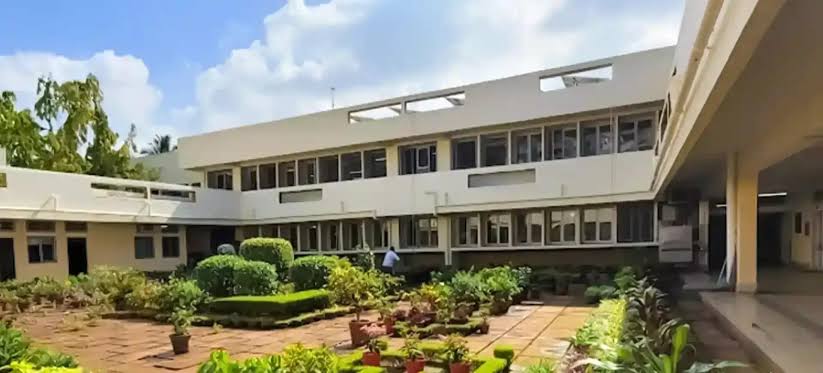
The headquarters of SNDT Women’s University is located at the Churchgate Campus in South Mumbai, at 1 Nathibai Thackersey Road. The Churchgate campus houses a large number of university departments in humanities, social sciences, commerce, education, music, social work and other disciplines.
The university has a wider multi-campus presence. Its current admission information identifies Churchgate and Juhu in Mumbai, Pune, Shrivardhan and Chandrapur as its campuses/academic locations. The Juhu campus has a strong technology, pharmacy, law and professional-education presence, while the Pune campus offers programmes in arts, education, home science and other areas.
One of SNDTWU’s distinctive features is its nationwide affiliation structure. Unlike a conventional state university whose affiliation jurisdiction is usually restricted to a defined geographical area, SNDTWU states that it can affiliate colleges and institutions anywhere in India with the prior consent of the concerned State Government.
3. Admission Information
SNDT Women’s University has opened its 2026–27 admissions for various undergraduate, postgraduate, diploma and doctoral programmes. Admission procedures differ depending on the course and campus.
For the current academic year, the university directs students to different admission systems:
- UG admissions: SNDT Digital University portal
- PG admissions: SNDT Samarth admission portal
- Diploma and certificate programmes: Course-specific university instructions
- Ph.D. programmes: University research/Ph.D. admission process
Students should check the programme-specific eligibility requirements before applying because the university offers courses ranging from conventional degrees to professional, technical and specialised programmes.
For 2026–27, the university’s admission information includes programmes offered at Churchgate, Juhu and Pune, with additional academic activity at Shrivardhan and Chandrapur.
4. Undergraduate Programmes
SNDTWU offers a broad range of undergraduate programmes through its university departments and constituent/affiliated institutions.
Major undergraduate areas include:
- B.A.
- B.Sc.
- B.Com.
- BAFI
- BCA
- BBA
- B.Ed.
- B.Sc. Nursing
- B.Pharm.
- B.Tech. Computer Science & Technology
- B.Tech. Computer Engineering
- B.Tech. Information Technology
- B.Tech. Electronics & Communication
- B.Tech. Electrical Engineering
- B.Voc. programmes
- B.Voc. Fashion Design
- B.Voc. Interior Design
- B.Voc. Jewellery Design & Manufacture
- B.Voc. Food Processing Technology
- B.Voc. Optometry
- LL.B.
- B.B.A., LL.B.
- Bachelor of Visual Arts-related programmes
- Special Education programmes
The university’s current 2026–27 admission information lists programmes such as B.Sc. Nursing, B.Ed., B.A. in several languages and social-science disciplines, B.Pharm., B.Tech. Computer Science & Technology, Computer Engineering, Electronics & Communication and Information Technology.
5. Postgraduate Programmes
SNDT Women’s University has particularly strong postgraduate offerings across humanities, social sciences, education, technology, professional studies, women’s studies and management.
Arts, Humanities & Social Sciences
Major programmes include:
- M.A. Economics
- M.A. Education
- M.A. English
- M.A. Gujarati
- M.A. Hindi
- M.A. History
- M.A. Marathi
- M.A. Sanskrit
- M.A. Psychology
- M.A. Sociology
- M.A. Political Science
- M.A. Women Studies
- M.A. Geography
- M.A. Music
- M.A. Mass Communication & Journalism
- M.A. Media and Communication
- M.A. Social Work
The Churchgate campus currently lists departments such as Marathi, English, Gujarati, Hindi, Sanskrit, Economics, History, Political Science, Psychology, Sociology, Music, Social Work, Education, Drawing & Painting, Commerce and Lifelong Learning & Extension.
Education & Special Education
SNDTWU offers programmes in:
- M.Ed.
- M.Ed. Special Education – Intellectual Disability
- M.Ed. Special Education – Learning Disability
- M.Ed. Special Education – Visual Impairment
- M.A. Education
- M.A. eLearning
- M.Sc. eLearning
The Juhu campus particularly offers postgraduate special-education programmes.
Professional & Other Areas
Depending on the campus and academic year, postgraduate opportunities also include:
- M.Com.
- M.L.I.Sc.
- M.V.A.
- LL.M.
- Technology and computer-related programmes
- Home Science
- Nutrition and allied areas
- Fashion and design
- Women’s Studies
- Media and Communication
The university’s published programme records include M.L.I.Sc., M.Ed., M.A. Education, M.Sc. eLearning, M.A. Music, M.V.A., LL.M. and M.A. Women’s Studies among its postgraduate programmes.
6. Ph.D. / Research Programmes
Research is an important component of SNDT Women’s University’s academic structure. The university supports doctoral research through recognised Ph.D. centres and university departments.
Research areas span:
- Humanities
- Languages
- Social Sciences
- Education
- Psychology
- Women’s Studies
- Commerce
- Management
- Science and Technology
- Home Science
- Library & Information Science
- Music and Fine Arts
- Social Work
- Other specialised disciplines
SNDTWU’s institutional documentation records 41 Ph.D. programmes, while its current website identifies recognised Ph.D. research centres at Churchgate and Juhu.
The university’s research ecosystem also includes initiatives connected with innovation, entrepreneurship, women’s studies and interdisciplinary research.
7. University Departments & Academic Areas
SNDT Women’s University currently reports 39 departments across its academic structure.
The Churchgate Campus includes departments such as:
- Department of Marathi
- Department of English
- Department of Gujarati
- Department of Hindi
- Department of Sanskrit
- Department of Economics
- Department of History
- Department of Political Science
- Department of Psychology
- Department of Sociology
- Department of Music
- Department of Social Work
- Department of Education
- Department of Drawing & Painting
- Department of Commerce
- Department of Lifelong Learning & Extension
- S.H.P.T. School of Library Science
The wider university academic structure also includes technology, pharmacy, law, home science, nursing, special education, women’s studies, media, design and other professional disciplines.
8. Campus & Facilities
SNDT Women’s University has developed a wide range of facilities supporting academic learning, professional education, research and student development.
Major facilities and initiatives include:
- University libraries
- Departmental laboratories
- Computer and digital learning facilities
- E-learning facilities
- Hostels
- Sports and recreational facilities
- Research centres
- Ph.D. centres
- Women’s Studies centres
- Skill and vocational education facilities
- Student support services
- Innovation and incubation facilities
- Special education facilities
- Nursery/laboratory school
- Lifelong learning facilities
One distinctive facility is the laboratory nursery school, which is associated with the Human Development area and provides an academic environment for learning and practical work. The university also identifies a school for children with special needs and a RUSA e-learning centre among its distinctive institutional initiatives.
The university also operates the Women Innovation Startup Entrepreneurship Incubation Centre (WISE), reflecting its focus on entrepreneurship and women’s participation in innovation.
Constituent Institutions
At the Juhu campus, university-managed constituent colleges include:
- Usha Mittal Institute of Technology (UMIT)
- C U Shah College of Pharmacy
- SNDT Law School
- P.V. Polytechnic
- SNDTWU Centre for Vocational & Technical Education
The Pune campus includes:
- SNDT College of Education, Pune
- SNDT Arts and Commerce College for Women, Pune
- SNDT College of Home Science, Pune
9. Affiliated Colleges / Student Life / Career Opportunities
Affiliated Colleges
SNDT Women’s University has one of the more distinctive affiliation networks among Indian universities. Its current affiliated-college page lists 381 affiliated colleges for 2024–25, with colleges spread across Maharashtra and other states including Gujarat, Daman, Assam, Bihar, Madhya Pradesh and Uttar Pradesh.
The university’s current affiliation section is also publishing approvals for new colleges, new courses, additional divisions and new faculties for academic year 2026–27, indicating that its affiliation network continues to evolve.
For Admission Katta, this is particularly important: SNDTWU should be treated as a university entity with a large nationwide affiliated-college network, while each affiliated college should have its own separate Admission Katta profile.
Student Life
Student life at SNDTWU is shaped by its long-standing focus on women’s education and empowerment. Students can participate in:
- Cultural activities
- Sports
- NSS and social-development activities
- Research projects
- Seminars and conferences
- Entrepreneurship initiatives
- Innovation programmes
- Women’s Studies activities
- Skill-development programmes
- Academic clubs and departmental activities
The university’s institutional philosophy centres on providing women with access to higher education while combining professional education with social responsibility and human values.
Career & Placement Opportunities
Career opportunities vary by programme and campus. Students studying technology, pharmacy, law, management, education, social work, media, design, commerce and other professional disciplines can pursue careers in industry, services, education, government, research, entrepreneurship and social-sector organisations.
The university’s WISE incubation initiative, vocational programmes and professional constituent institutions provide additional pathways for entrepreneurship, practical skills and industry-oriented learning.
SNDTWU’s broad academic structure also allows students to pursue higher education from undergraduate study through postgraduate and doctoral research within a university specifically focused on women’s education.
Maps
Photos