Symbiosis Skills and Professional University (SSPU) is a State Private University in Pune, established as Maharashtra’s first dedicated skill-development university. It was established under Government of Maharashtra Act No. XXXVII of 2017 and was formerly known as Symbiosis Skills and Open University. The university focuses on practical, industry-oriented education through internships, apprenticeships, workshops, Centres of Excellence and work-based learning.
SSPU’s current academic portfolio covers engineering, computer science, data science, management, logistics, ports and terminal management, retail, architecture, design, beauty and wellness, nutritional sciences, digital media and emerging technology fields. Its official website currently highlights 2026 admissions and reports that SSPU was ranked No. 1 in the NIRF 2025 Skills University category.
1. Basic Information
| Particular | Details |
|---|---|
| University Name | Symbiosis Skills and Professional University |
| Abbreviation | SSPU |
| Former Name | Symbiosis Skills and Open University |
| Location | Kiwale, Pune, Maharashtra |
| PIN Code | 412101 |
| Established | 2017 |
| University Type | State Private University |
| Established Under | Government of Maharashtra Act No. XXXVII of 2017 |
| UGC Status | UGC recognised |
| Campus Size | 15 acres |
| Academic Model | Skill-based, industry-oriented university |
| Current Admission Session | 2026–27 |
| NIRF 2025 | Ranked No. 1 in Skills University category, as reported by SSPU |
| Affiliated Colleges | No conventional affiliated-college network |
| Official Website | sspu.ac.in |
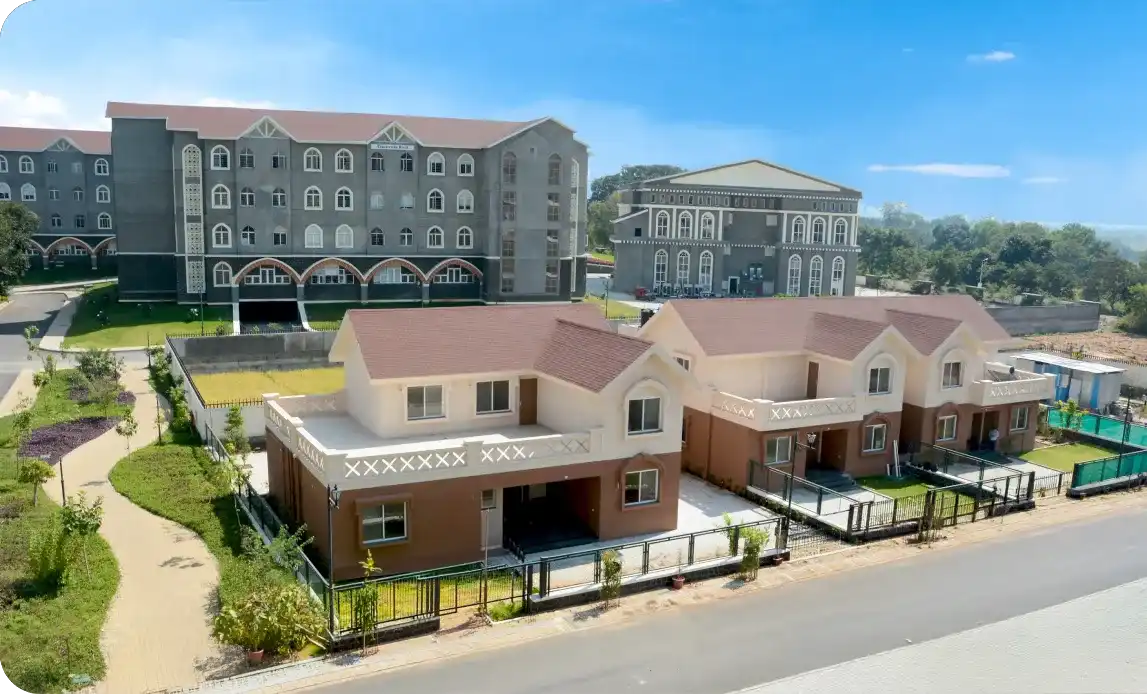
SSPU’s official UGC approval page identifies the university under Maharashtra Act No. XXXVII of 2017. The university’s current overview describes its campus as a 15-acre state-of-the-art campus with specialised laboratories, workshops and Centres of Excellence.
2. Location & Campus
Symbiosis Skills and Professional University is located at Kiwale, adjoining the Pune–Mumbai Expressway, Pune – 412101. Its location provides connectivity to Pune’s industrial and commercial ecosystem, particularly the manufacturing, automobile, logistics, IT and emerging-technology sectors.
The university follows a distinctly practical education model. Instead of relying only on conventional classroom teaching, SSPU integrates hands-on training, workshops, internships, apprenticeships, industry visits and Centres of Excellence into its academic approach.
The campus includes specialised laboratories, industry-grade workshops and skill-training equipment designed around its vocational and professional programmes.
3. Admission Information
SSPU currently has admissions information available for the 2026 academic cycle. The university provides programme-specific eligibility, selection and fee information through its admissions portal.
General admission process
Students generally need to:
- Select the programme they want to pursue.
- Check the programme-specific eligibility criteria.
- Complete the SSPU application form.
- Submit academic and supporting documents.
- Appear for an entrance test, skill test, interview or other selection process where applicable.
- Complete admission and fee formalities after selection.
The selection process varies considerably between programmes.
For example, some BBA programmes use a combination of Statement of Purpose, Personal Interview and Skill Test, while B.Arch admission follows the applicable Council of Architecture requirements, including qualifying examinations such as NATA/JEE where applicable.
MBA Admission
For the 2026–27 cycle, SSPU’s MBA admissions information includes programmes in:
- Banking, Financial Services & Insurance Management
- Digital Marketing
- Retail Management
- Logistics & Supply Chain Management
The university has also introduced SKILL-CAT 2026 for its skill-based MBA admission process.
Skill-based admission model
One of SSPU’s distinguishing features is its emphasis on practical and skill-based learning, rather than treating a degree as purely theoretical education. The university describes its model as combining academic education with industry exposure, work-based learning and practical skill development.
4. Undergraduate Programmes
SSPU offers undergraduate programmes across engineering, management, science, architecture, design and other professional fields.
Engineering & Technology
Current programmes include:
- B.Tech Mechatronics Engineering
- B.Tech Automobile Engineering
- B.Tech Artificial Intelligence & Machine Learning
- B.Tech Computer Science & Information Technology – Cyber Security
- B.Tech Construction Engineering & Management
- B.Tech Defence Technology
- B.Tech Smart & Sustainable Energy
- B.Tech Semiconductor Engineering
- B.Tech Automobile Engineering – Work Integrated Learning
- B.Tech-related emerging technology programmes
The university’s current programme listing also reflects the growing focus on AI, cybersecurity, semiconductor technology, sustainable energy and industry-oriented engineering.
Computer Science & Data Science
- B.Sc Data Science
- B.Tech CSE & IT – Cyber Security
- Other computer science and emerging technology programmes
SSPU’s academic model places particular emphasis on practical data and technology skills.
Business & Management
Current BBA options include:
- BBA Logistics & Supply Chain Management
- BBA FinTech
- BBA Retail & E-Commerce Management
- BBA Digital Media & Marketing
- BBA Ports & Terminal Management
These programmes are designed around specific industry sectors rather than only a general management curriculum.
Science
Current undergraduate science programmes include:
- B.Sc Data Science
- B.Sc Beauty & Wellness
- B.Sc Nutritional Sciences & Dietetics
The university is also expanding science programmes into nutrition, wellness, data and applied professional areas.
Architecture & Design
- Bachelor of Architecture (B.Arch)
- Bachelor of Design – Interior Design
The B.Des programme focuses on practical design education and industry-oriented skills.
5. Postgraduate Programmes
SSPU’s postgraduate programmes focus heavily on emerging industries and specialised professional skills.
Engineering & Technology
- M.Tech Mechatronics Engineering – IoT, AI & Robotics
- Other advanced engineering and technology programmes
The M.Tech Mechatronics programme combines mechatronics with IoT, AI and robotics, reflecting SSPU’s skill-oriented approach.
Data Science
- M.Sc Data Science
The programme is intended for graduates with backgrounds including computer science, IT, engineering, mathematics, statistics, physics, chemistry and related disciplines, subject to programme-specific eligibility.
Nutritional Sciences
- M.Sc Nutritional Sciences & Dietetics
The current 2026–27 programme offers specialised pathways including:
- Nutrigenomics
- Nutraceuticals & Gut Health
- Dietetics
The university describes the programme as combining practical laboratory training, research and industry-oriented learning.
Urban Planning
- Master in Planning (Urban Planning)
The programme is intended for graduates from planning, architecture, civil engineering, geography, economics, social sciences and related backgrounds, subject to eligibility requirements.
Management
Current MBA programmes include:
- MBA Digital Marketing
- MBA FinTech
- MBA Logistics & Supply Chain Management
- MBA Retail Management
- MBA Banking, Financial Services & Insurance Management
The university describes these as skill-based, application-driven and experiential MBA programmes.
6. Ph.D. / Research Programmes
SSPU offers doctoral programmes in several emerging and applied disciplines.
Current university listings include:
- Ph.D. in Science
- Ph.D. in Mechatronics Engineering
- Ph.D. in Automobile Engineering
- Ph.D. in Construction Engineering
- Ph.D. in Smart Energy Systems & Sustainability
- Ph.D. in Computer Science & Information Technology
- Ph.D. in Digital Media & Marketing
- Ph.D. in Ports & Terminal Management
- Ph.D. in Urban Planning & Development
- Ph.D. in Retail & E-Commerce
- Ph.D. in Banking, Financial Services & Insurance
- Ph.D. in Nutritional Sciences & Dietetics
- Ph.D. in Data Science
These programmes reflect SSPU’s emphasis on applied research connected to industry, technology, sustainability and emerging professional sectors.
7. University Departments & Academic Areas
SSPU’s academic organisation is built around specialised schools rather than a conventional large affiliating-college model.
Major academic areas include:
- School of Automobile Engineering
- School of Mechatronics
- School of Computer Science & Information Technology
- School of Data Science
- School of Construction Engineering & Infrastructure Management
- School of Architecture, Urban Development & Planning
- School of Retail Management
- School of Logistics & Supply Chain Management
- School of Ports & Terminal Management
- School of Digital Media & Marketing
- School of Banking, Financial Services & Insurance Management
- School of Beauty & Wellness
- School of Interdisciplinary Sciences
- School of Energy & Sustainability Engineering
- School of Design
The university’s academic structure has evolved around sectors where industry-specific technical and professional skills are particularly important. Its governing and academic documents identify areas such as automobile, mechatronics, architecture, construction, cyber security, data science, retail, logistics, ports, digital media, FinTech, beauty and wellness.
8. Campus & Facilities
SSPU’s 15-acre campus is designed around skill-based and experiential education. The university highlights specialised laboratories, workshops and Centres of Excellence as important components of its academic infrastructure.
Academic & Practical Facilities
Facilities include:
- Specialised laboratories
- Industry-grade workshops
- Centres of Excellence
- Learning factories
- Simulation-based training
- Computer laboratories
- Smart classrooms
- Research facilities
- Industry training equipment
- Practical skill-development facilities
The university specifically describes its Centres of Excellence and learning factories as part of its effort to bridge the gap between classroom education and real-world industry practices.
Industry Exposure
SSPU’s model includes:
- Internships
- Apprenticeships
- Industry visits
- Industry-sponsored projects
- Joint curriculum development
- Industry expert sessions
- Practical training
- Applied research
This is one of the major differences between SSPU and a conventional university curriculum.
International & Professional Recognition
SSPU’s current website highlights:
- UNESCO Chair – Gender Inclusion & Skill Development
- UNESCO-UNEVOC Centre
- US Access Program
- International and industry-oriented skill initiatives
The UNESCO-UNEVOC association places SSPU within an international technical and vocational education and training network.
9. Student Life / Career Opportunities
SSPU positions employability and industry readiness at the centre of its academic model. Its official website currently reports 2,500+ students placed and 100% consistent internships and placements, while also highlighting industry partnerships and internships. These should be treated as university-reported figures, not as a guarantee of placement for every student.
Placements
The university currently reports:
- ₹44 lakh highest package offered
- ₹32.5 lakh highest package cleared by students for PG programmes
- 2,500+ students placed
- 100% consistent internships and placements
- Industry partners and internship opportunities
These figures are published by SSPU and can change by academic year and programme.
For Admission Katta, it would be better to eventually record placement information programme-wise, especially for B.Tech, MBA, BBA and specialised skill programmes, rather than treating ₹44 lakh as a typical outcome.
Career-oriented Education
The university’s stated model combines:
Degree + Practical Skill + Industry Exposure + Internship/Apprenticeship + Professional Certification
This makes SSPU particularly relevant for students looking for career-oriented programmes in emerging sectors such as AI, cybersecurity, logistics, FinTech, semiconductor technology, sustainable energy and data science.
Maps
Photos