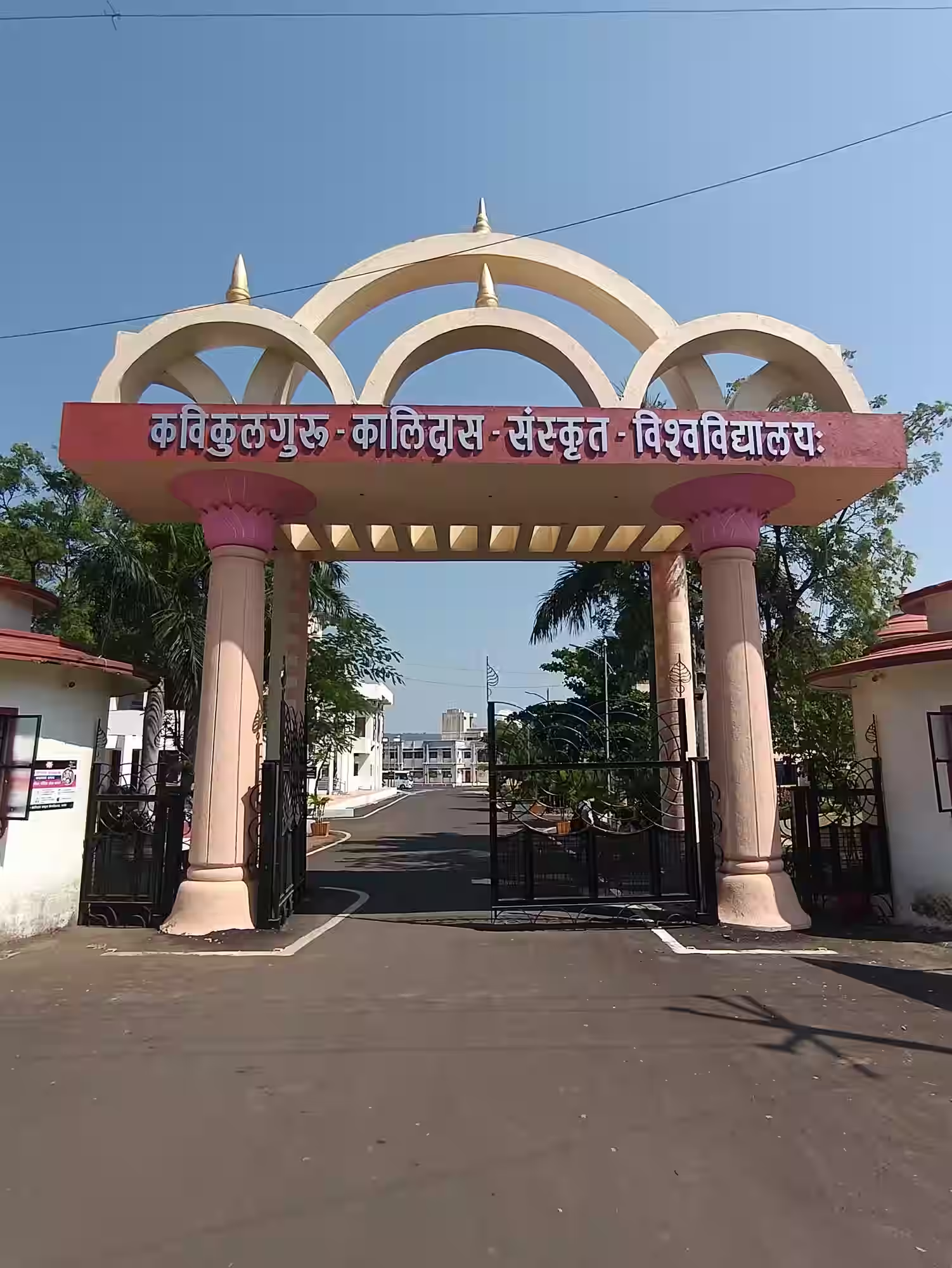

1. Basic Information
| Particular | Details |
|---|---|
| University Name | Kavi Kulguru Kalidas Sanskrit Vishwavidyalaya |
| Short Name | KKSU |
| Established | 18 September 1997 |
| Type | State Public University |
| Location | Ramtek, Nagpur, Maharashtra |
| University Category | Sanskrit & Indic Knowledge University |
| Nature | Teaching & Affiliating University |
| Jurisdiction | Maharashtra |
| Main Campus | Ramtek, Nagpur |
| Major Academic Areas | Sanskrit, Vedic Studies, Yoga, Indian Philosophy, Ancient Indian Sciences, Education, Languages and Interdisciplinary Studies |
| NAAC Accreditation | A+ |
| UGC Status | Recognised under Sections 2(f) and 12(B) |
| Official Website | kksu.org |
Kavi Kulguru Kalidas Sanskrit Vishwavidyalaya, officially known as Kavikulaguru Kalidas Sanskrit University (KKSU), was established by the Government of Maharashtra on 18 September 1997 at Ramtek, Nagpur. It is the first Sanskrit university in Maharashtra and is dedicated to advanced learning, teaching and research in Sanskrit and related areas of Indian knowledge.
The university is named after Mahakavi Kalidasa, one of the most celebrated Sanskrit poets and playwrights. Ramtek was selected as the headquarters because of its historical and literary association with Kalidasa. KKSU has a distinctive academic approach that combines traditional Sanskrit learning with modern subjects and contemporary applications.
2. Location & Campus
Kavi Kulguru Kalidas Sanskrit University is headquartered at Mauda Road, Ramtek, District Nagpur, Maharashtra – 441106. Ramtek is a historically important town in Nagpur district and is closely associated with the cultural and literary heritage of Kalidasa.
The university also has a teaching campus in Nagpur city, located at the NIT Complex near Mor Bhavan, Sitabuldi. This gives KKSU an academic presence both at its traditional Ramtek headquarters and in Nagpur.
The university describes its Ramtek campus as a place where traditional Sanskrit education is combined with modern teaching methods and technology. Its campus facilities include academic buildings, a knowledge resource centre, computer centre and other student-support infrastructure.
KKSU also operates specialised academic initiatives such as the Gurukulam, where students can pursue traditional learning in a structured residential environment.
3. Admission Information
Admission to KKSU programmes depends on the programme, level of study and mode of education. The university offers programmes through its university campuses, affiliated colleges and its Centre for Open and Distance Learning.
Current university information shows 2026–27 admission activity for the Ramtek campus, along with separate admission-related information for its different academic centres.
For regular university programmes, students should check the eligibility requirements prescribed for the particular course. Depending on the programme, admission may be based on previous academic qualifications, university-level selection procedures or other requirements specified in the admission notification.
KKSU also offers programmes through its Open and Distance Learning (ODL) Centre, making selected Sanskrit, Yoga and related programmes accessible to learners who may not be able to attend regular campus education.
Students should check the latest admission notification for:
- Course eligibility
- Admission procedure
- Application dates
- Entrance requirements, wherever applicable
- Programme duration
- Fees
- Documents required
- Campus or study mode
- Seat availability
The university’s official website should be treated as the primary source for current admission dates and programme availability.
4. Undergraduate Programmes
KKSU offers undergraduate education primarily in Sanskrit, Yoga and related Indic knowledge disciplines, along with selected interdisciplinary programmes.
The university’s current programme information lists undergraduate programmes such as:
- B.A. (Sanskrit) – Visharad
- B.A. (Vedang Jyotish)
- B.A. (Yogashastra)
These programmes provide students with opportunities to study Sanskrit language and literature as well as specialised areas such as Vedanga Jyotisha and Yoga Shastra.
KKSU’s broader academic philosophy is not limited to traditional Sanskrit subjects. The university has developed programmes that combine ancient Indian knowledge with modern disciplines, including areas such as Yoga, Public Administration, Computer Applications, Library Science, Social Work, Education, Hospitality Management, Fine Arts and Performing Arts.
The exact undergraduate programmes available in a particular academic year can differ between the Ramtek campus, Nagpur/Waranga campus, affiliated colleges and ODL mode, so students should check the current programme list before applying.
5. Postgraduate Programmes
Postgraduate education is one of the important academic components of KKSU. The university offers advanced study in Sanskrit and specialised areas of Indian knowledge.
Major postgraduate programmes and areas include:
- M.A. Sanskrit
- M.A. Yogashastra
- Sanskrit Literature
- Vyakarana
- Veda
- Darshana
- Vedanga Jyotish
- Yoga Shastra
- Other specialised Sanskrit and Indic knowledge disciplines
The university’s current programme information lists M.A. Sanskrit with specialisations/areas including Sahitya, Vyakarana, Veda, Darshana, Vedanga Jyotish and Yogshastra.
KKSU also offers postgraduate and diploma-level education through its ODL Centre. Current ODL information includes M.A. Sanskrit and M.A. Yoga, along with diploma and certificate programmes.
The postgraduate structure makes KKSU particularly relevant for students interested in Sanskrit scholarship, Indian philosophy, Vedic studies, Yoga, literature, traditional knowledge systems and academic research.
6. Ph.D. / Research Programmes
Research is an important part of KKSU’s academic mission. The university’s doctoral framework covers traditional Sanskrit disciplines as well as broader areas connected with Indian knowledge systems and humanities.
Ph.D. research areas include disciplines associated with:
- Vedic Studies
- Sanskrit Language & Literature
- Vyakarana
- Indian Philosophy
- Indian Religion and Culture
- Vedanga Jyotish
- Yoga
- Ancient Indian Sciences
- Humanities
- Education
- Other recognised areas of learning
The university’s Ph.D. regulations cover doctoral research in its major faculties, including Veda-Vidya, Sanskrit and Sanskritetara Bhasha, Bharatiya Dharma-Tattvajnana tatha Sanskriti, Prachina Bharatiya Vidnyana tatha Manavyashastre and Shikshanashastra tatha Sankirna Vidyashakha.
Yoga is another active research area. The university’s Department of Yogic Science has offered M.Phil. and Ph.D. in Yoga along with other Yoga-related academic programmes.
KKSU’s library and research infrastructure also support doctoral scholars through resources such as Shodhganga, Shodhgangotri, digital repositories, manuscripts and thesis collections.
7. University Departments & Academic Areas
KKSU has a distinctive academic structure built around Sanskrit, Vedic studies, Indian philosophy, ancient Indian sciences and education, while also incorporating modern and interdisciplinary subjects.
Faculty of Vedic Studies
This faculty focuses on areas such as:
- Veda
- Vyakarana
- Vedic literature
- Traditional Sanskrit scholarship
- Vedic knowledge systems
The university has a dedicated Department of Veda and Vyakarana supporting teaching and research in these areas.
Faculty of Sanskrit & Other Languages
This area covers:
- Sanskrit Language
- Sanskrit Literature
- Classical Literature
- Poetics
- Comparative and modern language studies
The Department of Sanskrit Language & Literature is one of the university’s core academic departments.
Faculty of Indian Religion, Philosophy & Culture
Academic areas include:
- Indian Philosophy
- Yoga
- Indian Religion
- Indian Culture
- Darshana
- Comparative philosophical studies
The Department of Bharatiya Darshan is part of this academic area and supports teaching and research in Indian philosophy and Yoga.
Faculty of Ancient Indian Sciences & Humanities
This area explores traditional Indian knowledge systems and their relationship with contemporary academic disciplines.
It includes subjects connected with:
- Vedanga Jyotish
- Ancient Indian sciences
- Humanities
- Traditional knowledge
- Indian knowledge systems
Faculty of Education & Other Branches of Learning
The university also offers education-related programmes and has developed interdisciplinary programmes that connect Sanskrit and Indian knowledge with contemporary fields.
Yoga & Allied Academic Areas
Yoga is a particularly important academic area at KKSU. The university has offered programmes ranging from undergraduate Yoga studies to postgraduate, diploma, M.Phil. and Ph.D. opportunities.
8. Campus & Facilities
KKSU provides facilities designed to support both traditional Sanskrit scholarship and modern university education.
Important facilities include:
- Jnanayogi Dr. Shrikant Jichkar Knowledge Resource Centre
- University library
- Reading hall
- Reference section
- Periodical section
- Manuscript section
- Audio-visual section
- Internet laboratory
- Computer centre
- Digital learning resources
- Departmental libraries
- Hostels
- Academic buildings
- Seminar and activity spaces
- Gurukulam facilities
- Sports and student activities
- Research facilities
The Knowledge Resource Centre is an important academic facility for students and researchers. The library maintains manuscript resources, books, periodicals, theses and digital repositories, and has arrangements with INFLIBNET for Shodhganga and Shodhgangotri.
The university also uses modern technology in teaching and administration, while retaining traditional methods of Sanskrit learning. This combination is one of the distinctive features of KKSU.
9. Affiliated Colleges / Student Life / Career Opportunities
Kavi Kulguru Kalidas Sanskrit University is an affiliating university and has an affiliated-college and recognised-institute framework in addition to its own university departments. The university’s College Section handles affiliation, recognition, continuation of affiliation, inspections and academic/administrative coordination with affiliated institutions.
Historically, the university had 33 affiliated colleges recorded in its earlier NAAC self-study report. However, because the current website does not provide a clearly updated consolidated number, Admission Katta should not publish the old figure as the current affiliated-college count. The university currently continues to publish affiliation-related notices and processes.
Student life at KKSU combines academic study with cultural and traditional activities. Students can participate in:
- Sanskrit and literary activities
- Yoga
- Cultural programmes
- NSS activities
- Sports
- Seminars and conferences
- Research activities
- Inter-collegiate activities
- Traditional knowledge initiatives
- Student welfare programmes
Career Opportunities
Students graduating from KKSU can pursue careers in areas such as:
- Sanskrit teaching
- School and higher education
- Research and academics
- Translation
- Publishing
- Sanskrit journalism
- Yoga and wellness
- Astrology and Vedanga studies
- Manuscript studies
- Library and information services
- Cultural organisations
- Indian knowledge systems
- Civil and competitive services
- Education administration
- Content and language-related professions
- Higher education and doctoral research
The university’s modern interdisciplinary approach also creates opportunities for students who want to combine Sanskrit and Indian knowledge with contemporary fields.
For Admission Katta, KKSU should be structured as the university-level profile, with separate pages for its university departments, programmes, affiliated colleges and ODL programmes.
The ideal database relationship is:
KKSU → Faculty → Department → Programme → Admission → Eligibility → Fees → Affiliated College/Study Mode → Career Opportunities
Maps
Photos